

How Vaccinations Have Shaped Modern Public Health Practices
Vaccination has played a critical role in the development of modern public health systems. The concept of vaccination emerged from early scientific discoveries demonstrating that exposure to weakened or inactivated pathogens could stimulate the body’s immune response without causing severe illness. Over time, vaccination programs became organized public health initiatives aimed at preventing the spread of infectious diseases within communities. These early efforts laid the foundation for structured immunization policies, disease surveillance systems, and coordinated healthcare responses. Understanding the historical role of vaccination highlights how preventive medicine became a cornerstone of modern healthcare and public health planning.
Reducing the Spread of Infectious Diseases
One of the most significant impacts of vaccination is its ability to reduce the transmission of infectious diseases across populations. When a large proportion of individuals receive vaccines, the number of susceptible hosts decreases, limiting opportunities for pathogens to spread. This phenomenon contributes to community-level protection and supports disease control efforts at the national and global levels. Vaccination campaigns have significantly lowered the incidence of many previously widespread diseases. By reducing outbreaks and preventing severe illness, vaccination programs have become central tools in maintaining population health and protecting vulnerable groups.
Strengthening Public Health Infrastructure
 Vaccination programs have also influenced the development of robust public health infrastructure. Implementing large-scale immunization campaigns requires coordinated systems for vaccine production, distribution, storage, and administration. Governments and health organizations have established monitoring systems to track vaccine coverage and evaluate the effectiveness of immunization strategies. These logistical frameworks contribute to broader healthcare preparedness, allowing health authorities to respond more effectively to emerging health threats. As a result, vaccination initiatives have strengthened the organizational and operational capacity of modern public health systems.
Encouraging Preventive Healthcare Approaches
The success of vaccination programs has reinforced the importance of preventive healthcare strategies. Instead of focusing solely on treating illnesses after they occur, modern public health practices emphasize preventing disease before it develops. Vaccination serves as a clear example of how preventive measures can reduce healthcare costs, minimize strain on medical facilities, and improve long-term health outcomes. This preventive perspective has influenced other aspects of public health policy, including health education, screening programs, and lifestyle interventions to reduce disease risk.
Shaping Global Health Collaboration

Vaccination efforts have also encouraged collaboration between countries, international health organizations, and research institutions. Global immunization initiatives often require coordinated action across borders to control diseases that can spread rapidly through travel and trade. Partnerships between governments and global health agencies support vaccine research, distribution programs, and monitoring of disease patterns worldwide. These collaborative efforts strengthen international health security and demonstrate how shared strategies can effectively address complex public health challenges.
Vaccinations have profoundly shaped modern public health practices by reducing the spread of infectious diseases, strengthening healthcare infrastructure, and promoting preventive approaches to medicine. Through organized immunization programs and international collaboration, vaccination has become a fundamental component of global health strategies. The systems developed to support vaccination campaigns continue to influence how societies prepare for and respond to public health challenges. As scientific research advances, vaccination will remain a key tool in protecting communities and sustaining the progress achieved in modern public health.…

A Day in the Life at a Drug and Alcohol Rehab Center: What to Expect
Every moment spent in treatment holds the potential for change. From morning routines designed to promote wellness to group therapy sessions that foster community support, each part of the day plays a vital role in recovery. Still, we can understand all the fear, curiosity, and hope that comes with entering treatment, so we’ve broken down a typical day at an addiction rehab center into more detail. But before getting started, you need to know that sometimes the process can really be pretty expensive. That’s why it’s a good idea to look into insurance coverage for rehab.
Insurance can help you cover the cost of some, if not all, of your treatment. 9 out of 10 people with insurance can have some of their rehab costs covered. Just be sure to look for rehabs that accept Oscar insurance. Now, let’s explore what you might experience during a typical day at a drug and alcohol rehabilitation center.
Morning Routine and Wellness Activities
Mornings at a rehab center begin with intention. The day starts early, often around 7 AM. Residents are greeted by the gentle sounds of nature and the aroma of freshly brewed coffee. After waking up, many participate in mindfulness exercises.
These practices might include meditation or yoga, aimed at centering the mind and body. Such activities foster self-awareness and promote emotional balance. Following wellness routines, residents gather for breakfast together. Sharing meals creates connections while nourishing both body and spirit. Participants may also engage in journaling during this time, allowing thoughts to flow freely onto the page.

Group Therapy Sessions
Group therapy sessions serve as a cornerstone of recovery at drug and alcohol rehab centers. These gatherings create a safe space for individuals to share their experiences, struggles, and triumphs. Participants often find solace in knowing they are not alone. Listening to others can spark powerful realizations about one’s own journey.
Vulnerability becomes strength within these supportive circles. Led by skilled facilitators, group discussions might address specific topics or challenges. This guided interaction encourages open dialogue and fosters connections among peers. Moreover, the diversity of perspectives enriches the healing process.
Individual Counseling and Treatment
It’s time for the individual treatment. This one-on-one time allows clients to explore personal challenges in a safe environment. Therapists guide individuals through their unique journeys, helping them uncover underlying issues related to addiction. Each session focuses on building trust and understanding feelings that may have been suppressed for years.
Clients learn coping strategies tailored specifically to their needs. These tools are invaluable when navigating the complexities of recovery. Each person’s experience is different, making individualized care essential for effective recovery. By addressing specific triggers and behaviors, clients gain insights crucial for long-term success in sobriety.
Healthy Meals and Nutrition

Nutrition definitely can’t be overlooked in recovery. At a rehab center, meals are crafted with care to support the healing process. Fresh vegetables, lean proteins, and whole grains are staples on the menu. Each meal is designed not just for taste but also for nourishment.
They provide essential vitamins and minerals that help restore physical health. A balanced diet can improve mood and energy levels, which are crucial during recovery. Snack options often include fruits and nuts instead of processed foods. This encourages healthier eating habits that clients can carry into their lives post-rehab.
A Journey to Full Recovery
Recovery from addiction is a deeply personal journey. Each day at a drug and alcohol rehab center is designed to support individuals as they navigate their path toward healing. From the early morning wellness activities that set a positive tone, to structured group therapy sessions fostering connection, every moment plays a crucial role. This holistic approach paves the way for lasting change. As clients progress through their treatment plans, they build resilience against triggers while developing healthier coping mechanisms. The environment promotes growth not only in sobriety but also in personal development.…

Essential Tips for Improving Your Mental Well-Being
Are you ready to unlock the secrets to a happier, healthier mind? In today’s fast-paced world, it’s easy for our mental well-being to take a backseat. But fear not. We have compiled a list of essential tips that will help you improve your mental well-being and reclaim control over your happiness. Whether you’re feeling stressed, overwhelmed, or simply seeking ways to boost your overall mood, this blog post guides you on a transformative journey toward inner peace.
Practice Mindfulness and Meditation
 Mindfulness and meditation are effective practices that can help you become more aware of your thoughts, feelings, and sensations in the present moment. Practicing mindfulness can ease stress, anxiety, and negative thought patterns. Meditation, on the other hand, can improve focus, concentration, and emotional regulation. Incorporate mindfulness and meditation into your daily routine to cultivate a sense of calm and clarity in your mind.
Cultivate Positive Relationships
Social connections are vital for mental well-being. Surround yourself with supportive and positive individuals who inspire you. Engage in meaningful conversations and spend quality time with loved ones. Cultivating strong relationships can provide a sense of belonging, reduce feelings of isolation, and foster emotional support during challenging times.
Engage in Regular Physical Activity
Physical activity has numerous benefits for both physical and mental health. Regular exercise can release endorphins, the “feel-good” hormones, which can boost your mood and reduce feelings of stress and anxiety. It can also improve sleep quality and enhance cognitive function. Find an activity you enjoy, whether walking, dancing, yoga, or swimming, and incorporate it into your routine for a happier and healthier mind.

Set Realistic Goals and Prioritize Self-Care
Setting achievable and meaningful goals can give you a sense of purpose and direction in life. Break down your goals into manageable steps and celebrate your progress. At the same time, don’t forget the importance of self-care. Prioritize activities that bring you joy and relaxation, such as reading, hobbies, or spending time in nature. Taking care of yourself is essential for maintaining mental well-being and preventing burnout.
Limit Media Consumption and Manage Stress
Excessive exposure to negative news and social media can affect your mental well-being. Set boundaries for media consumption and give yourself breaks from digital devices.
Additionally, practice stress management techniques, such as deep breathing exercises, journaling, or engaging in creative pursuits. Managing stress effectively can help reduce its impact on your mental health and improve your overall well-being.
Seek Professional Help When Needed
There is no shame in seeking professional help if you’re experiencing challenges with your mental well-being. If you struggle with persistent sadness, anxiety, or other emotional difficulties, consider reaching out to a mental health professional. Therapy or counseling can provide valuable support, guidance, and tools to cope with life’s challenges and improve mental well-being.
Practice Gratitude and Positive Thinking
 Cultivating a mindset of gratitude and positive thinking can profoundly impact your mental well-being. Regularly take time to acknowledge and appreciate the positive aspects of your life. Keep a gratitude journal to jot down things you are thankful for daily. Shifting your focus to the positive can lead to increased resilience and a more optimistic outlook on life.
Improving your mental well-being is a journey that requires commitment and self-compassion. Remember that small, consistent changes can significantly impact your mental well-being, leading to a happier and more fulfilling life. Take care of your mental health and prioritize yourself, as mental well-being is the foundation for overall well-being and a more balanced and joyful life.…
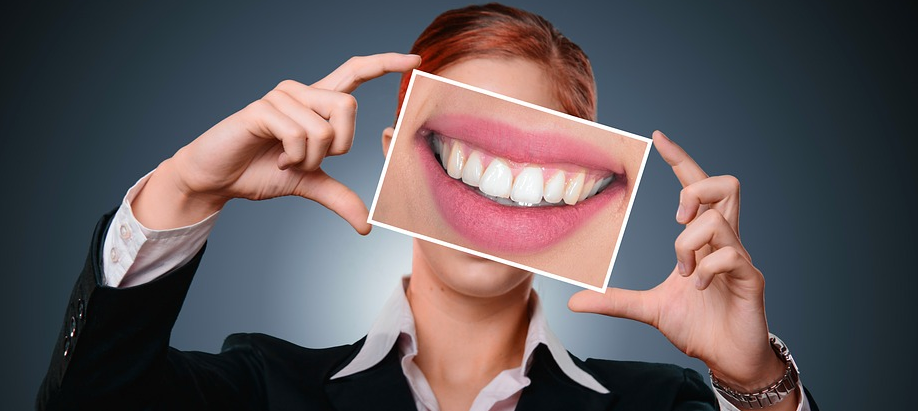
Ways to Maintain Good Oral Health
Unfortunately, many people tend to have bad oral health. It seems people are going to the gym and getting physically fit and forgetting about their mouths. Having good oral health is not as challenging as some may believe.
Several standard practices will be crucial in helping you have healthy teeth and gums. Having healthy teeth is essential in boosting your self-confidence and preventing further complications like tooth decay and other illness related to oral health. Here are some of the things you should consider if you would like to have a healthy mouth.
Brushing Your Teeth
 The first thing you should do to ensure that you have healthy teeth and gums is to brush your teeth regularly. Most children are told several times to brush their teeth in the morning and before sleeping. Though brushing teeth is seen as a burden to many children, it comes with many benefits.
Brushing your teeth at least two times a day will be crucial in preventing tooth decay, giving you good breath, and making your teeth white. With clean white teeth, you can smile with confidence each day. You should ensure you use toothpaste with fluoride.
Visiting a Dentist
 To maintain good oral health, you must visit your dentist regularly. Many people only see a dentist when they have a problem with their teeth. It is crucial to note that having problems with your teeth is not the only reason you should visit a dentist. Having regular visits to your dentist will ensure that your teeth are healthy all the time.
A dentist will be necessary for helping you know if there are any signs of gum disease, tooth decay, and other oral illnesses. It would be best if you visited your dentist at least twice a year. If your insurance covers oral health, you should make sure you make an appointment with your dentist soon.
Quitting Smoking
Smoking undermines health in so many ways. If you are a regular smoker, you should try and quit the habit as it damages your oral health. Those who smoke have been found to have higher chances of getting gum diseases and mouth cancer. Your teeth are most likely to be yellow, and you may end up having a foul odor on your breath.
Having good oral health will be crucial in ensuring that you live a quality life. You should consider visiting your dentist, brushing your teeth regularly, and stop smoking.…
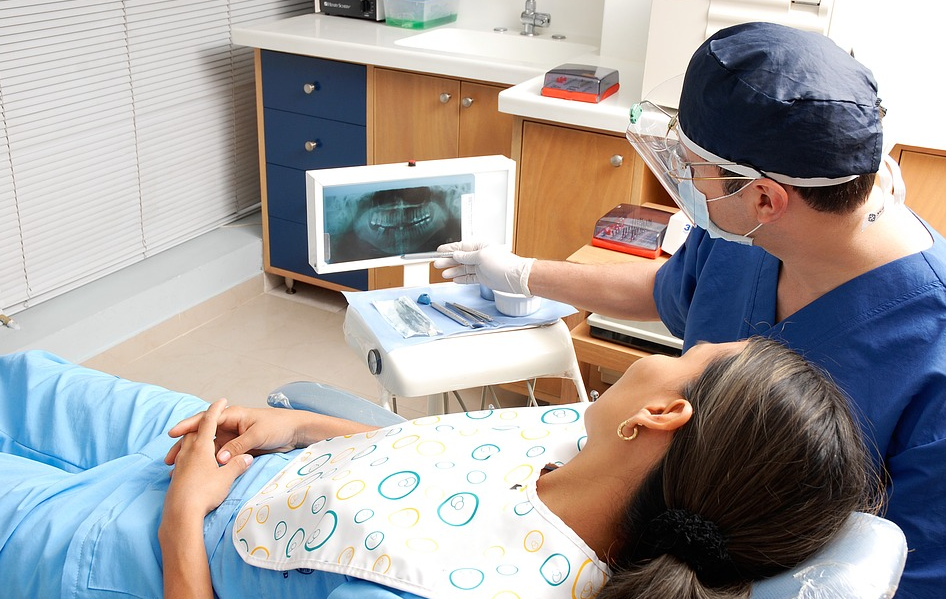
The Need of a Professional Dentist for Oral Hygiene
All people need to maintain a high level of oral hygiene. They can do so if they have the right insights. Numerous publications have been done regarding the best practices in maintaining an excellent smile through healthy dentals. People can read them online and get these helpful insights. For instance, the Artikel von Dr. Tobias Werk in an extraordinary way for those who read and practice what he advises. Further, the use of an experienced dentist is highly recommended if one must guarantee healthy teeth. This is why most families are looking for a dedicated dentist to take care of their oral needs. Below are the various reasons why people need a dentist.
Regular dental checks
 Not many people heed the recommended annual dental check. It is crucial for every person as it helps to detect any dental problem earlier. According to medical experts, most of the health issues can be treated when detected early. The dentist will check on abnormal teeth growth, gum health, possible cavity formation and screen for cancer among many other checks.
When they detect a challenge, they can either treat it at the moment or give an appointment. Some complicated discoveries may need a referral to another well-equipped dental center. With a letter from your dentist, then getting treatment is easier.
Treatment of various dental problems
Whether it is a toothache, tooth cavity or bad breath, you can rest assured to get help when you visit a dentist. Today, we have advanced technology to deal with all dental problems. Loss of teeth during an accident or sickness is no longer a big issue. Dentists can do bridging and better still recommend the installation of dental implants.
Chipped teeth can be covered with crowns, which are identical to the other teeth in the shade and no one will ever know the difference. While doing any of these dental cosmetic procedures, it is worth noting that success lies on the dentist and the clinic you choose. They should be top notch, as well as have an excellent reputation.
The need for a whiter smile
 After eating all the acidic foods and drinks, the teeth may start to turn yellow or get stains. Efforts to whiten them at home may turn futile or risky for the teeth. It is, therefore, recommended that people see a professional dentist who will assess the situation before recommending the right products for use. A good dentist will go ahead and perform the teeth whitening procedure on you. They ensure no further damage is caused to the teeth by use of tested mild, yet effective products.
Advisory services
Dentists have a significant role in telling us what we need to do to maintain oral hygiene. We all know that we play the most vital part. Sometimes, we need to hear the advice of brushing our teeth at least twice a day over and over again. Further, we also need to know the right way of brushing the teeth, flossing as well as the right food for healthy orals.
Professional dentists are crucial as they play this role in the right way. It is even better when family members can have a dedicated dentist to take care of them.…

Dermal Fillers in Your Lip Enhancement
In the current world, I presume you have heard about the most talked way of making lips fuller. This is the use of dermal fillers. The dermal fillers have become popularly known to much more, so those with intentions to make their lips bigger offer those who already have made the bold step of enhancing their lips.
Dermal fillers have been appreciated because of the many because they bring the desired results almost immediately. The good thing about using dermal lip fillers in Perth you don’t need to undergo any surgery before they are used on you. The whole process is very natural and it will bring about sustainable results. There are many benefits you will get once you start using dermal fillers and they are as discussed in this article.
They work faster
When you start using any product you always want to see how the results you are waiting for will come about.  The good thing with dermal fillers your anxiety will not be raised that much. This is because once you start using the filers, you will be able to see the results almost immediately. When the injections are done, the results will start showing almost the following day after the whole procedure.
Results are sustainable
 One of the significant advantages of using dermal fillers is that they can work on lips even after the treatment. Once the treatment is done, you don’t have to worry because the filers continue making the lips fuller. This is possible because of the collagen and hyaluronic acid which are produced in the body. However when they are added using the dermal fillers, then they will ensure they bring sustainable results. Your lips will look fuller, and your skin will be plump and hydrated. This will mean once you undergo the procedure you will only need to visit the clink after six months, and this is fulfilling.
Dermal fillers have subtle results
The good thing too about the dermal fillers on your lips is that they bring about subtle results. I presume this is what you want after you undergo the treatment. You don’t want to look like a whole different person once the lips are enhanced. You want to remain the same person but with enhanced lips. This is what you will receive from dermal fillers. They will give you fuller lips, but you remain the same person. Even most people around you will not notice the changes that quickly. All you will hear is you look better.…


